Pawn stores are unique retail outlets that offer a variety of items for sale, often showcasing an eclectic mix of merchandise. These stores are distinctive because they cater to both individuals looking to sell items for instant cash and those hunting for bargains or rare finds. Understanding the dynamics of what sells well in pawn shops sheds light on broader consumer behavior and emerging market trends.
Numerous factors contribute to the success of high-selling items in pawn stores, such as brand recognition, rarity, and perceived value. By deciphering these patterns, pawn store owners can optimize their inventory and marketing strategies to meet customer demands.
What are the Most Common High-Value Items Sold in Pawn Stores?
Popular High-Value Categories
Jewelry, electronics, and collectibles are among the most common categories that frequently dominate high-value sales in pawn stores. Jewelry, particularly gold and diamond pieces, consistently attracts buyers due to its inherent value and appeal. Electronics such as smartphones, laptops, and gaming consoles are also in high demand as they provide essential functions for modern life. Collectibles ranging from vintage toys to rare coins draw enthusiasts looking for unique additions to their collections. These high-value categories serve as cornerstones for pawn stores, promoting a steady stream of both sellers and buyers.
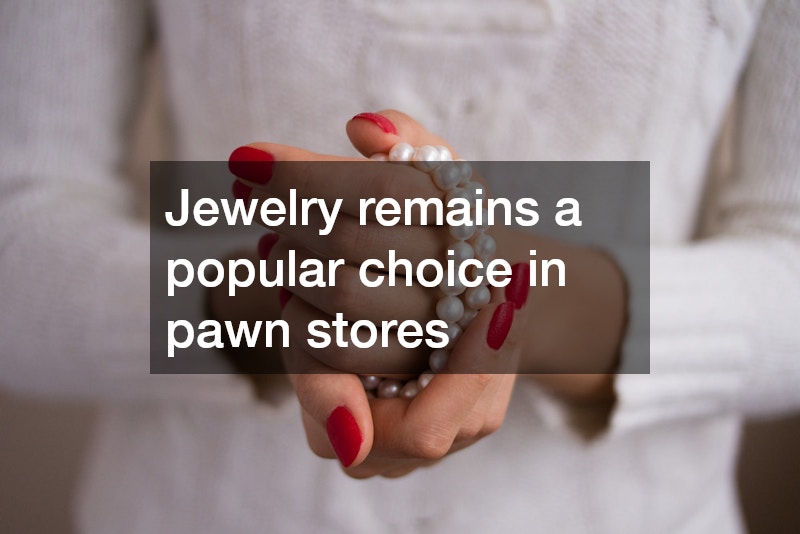
Jewelry remains a popular choice in pawn stores because it stands as both a personal adornment and a form of financial security. The enduring resale value of precious metals and gems makes jewelry a safe investment for buyers, as well as an attractive item for those needing to sell quickly. Electronics, meanwhile, appeal to a tech-savvy audience that seeks updated gadgets at reduced prices. As technology continues to advance, newer models circulate in the pawn marketplace after being quickly replaced. Collectibles enjoy strong sales driven by nostalgia and a deep appreciation for items of historical or sentimental significance.
The pawn store market is keenly aware of these popular high-value categories, hence store layouts and marketing strategies often highlight these items prominently. Pawn stores frequently update their inventory based on the prevailing market trends and customer preferences to stay competitive. High foot traffic in stores can result from strategic placement and presentation of valuable jewelry and electronics, enticing shoppers to explore further. Meanwhile, collectibles often draw in niche communities who partake in trading and collecting, bolstering store sales. By focusing on these categories, pawn stores maintain their status as reliable stopping points for discerning buyers and sellers alike.
Why are Jewelry Items Often the Top Sellers?
Factors Driving Jewelry Sales
Jewelry consistently ranks as a top seller in pawn stores due to several intrinsic factors that set it apart from other merchandise. The ease of appraisal, based on the material and craftsmanship, makes jewelry a safe bet for pawn store owners. Furthermore, pieces such as rings, necklaces, and watches often carry emotional and heritage values that prompt customers to spare no expense. This combination of objective and subjective value appeals to a wide audience, driving jewelry sales higher. It’s noteworthy that gold pieces, in particular, have the dual appeal of serving as luxury items and prudent investments.
The resale value of jewelry, underpinned by the fluctuating but generally appreciating price of precious metals, contributes significantly to its high demand in pawn stores. This economic factor ensures that even used jewelry maintains significant worth, making it an attractive option for savings or immediate liquidation. Additionally, pawn stores routinely update their knowledge and methods for evaluating the authenticity and condition of jewelry, further enhancing their ability to provide fair appraisals. These assessments build trust with both customers and sellers, fostering a cycle of repeat business and referrals. Customers are therefore more inclined to pawn or purchase jewelry, confident in receiving a fair return on value.
Marketing strategies in pawn stores often emphasize jewelry’s dual-purpose utility, striking a balance between luxury and practicality. Carefully curated displays and promotions elevate the perception of exclusivity and appeal, driving footfall and consumer interest. Jewelry’s representation as both a giftable and a tradeable asset makes it a compelling product line for pawn store marketing campaigns. The prevalence of jewelry sales underscores broader consumer behavior where investment, style, and sentiment converge. Hence, when consumers seek to buy or sell, jewelry often emerges as a favored choice for accomplishing those objectives within pawn stores.
How Does Seasonal Demand Affect Pawn Store Sales?
Impact of Holidays and Economic Trends
Seasonal demand has a profound impact on pawn store sales as consumer behavior shifts in response to significant calendar events and economic fluctuations. Holidays such as Christmas or Valentine’s Day create spikes in demand for jewelry and electronics, given their suitability as gifts. Anticipating these seasonal trends allows pawn stores to adjust pricing and promotional strategies to maximize interest and sales volume. The economic landscape also contributes to the variability of pawn store sales, as periods of economic uncertainty may encourage more pawning activity. This cyclical nature of demand means that inventory planning becomes an essential skill for successful pawn store management.
During festive seasons, consumers often look to pawn stores as budget-friendly alternatives for high-end gifts such as jewelry, watches, and game consoles. The affordability of items in pawn stores combined with their unique selections leads to increased traffic in anticipation of various holidays. Promotions and discounts timed to these periods can enhance the stores’ appeal, drawing bargain-hunters as well as those seeking rare or vintage finds. Economic trends, including shifts in employment rates or inflation, also have reverberating effects on pawn store activity. In tougher economic times, more individuals may turn to pawning their valuables due to immediate financial needs.
Pawn stores leverage the predictability of seasonal patterns by optimizing their inventory acquisition and engagement strategies to align with expected consumer behavior. For instance, stocking up on popular items such as electronics and ensuring a diverse range of jewelry can cater to a broader customer base during the higher activity months. Marketing campaigns may target specific demographics or seasonal sentiments to increase in-store and online engagement. Overall, understanding the intersection of seasonal demand and economic trends empowers pawn stores to effectively adapt to the ever-shifting retail landscape. Consequently, this dynamic approach positions them to capitalize on the seasons’ varied opportunities to augment sales.
High-selling items in pawn stores are shaped by a confluence of consumer demands, market trends, and seasonal influences. Jewelry, electronics, and collectibles form the triumvirate of high-value categories, each with distinct characteristics that appeal to both buyers and sellers. Jewelry stands out due to its enduring value, ease of appraisal, and emotional significance, whereas electronics appeal through modern functionality and pricing. Seasonal demand heavily influences sales, requiring a nimble approach in inventory management to meet varied consumer expectations. Together, these factors underpin the continued robustness of the pawn store industry, adapting to serve a diverse customer base amidst economic and cultural shifts.