
Every property owner eventually faces a moment where a tiny issue on their land or building seems too minor to address immediately. It is easy to brush off a slightly discolored spot on a wall, a missing shingle after a windy afternoon, or a subtle rattle coming from a major home appliance. Between busy work schedules, personal obligations, and the desire to save money, postponing small home repairs feels like a practical choice. However, deferred maintenance rarely stays cheap. What begins as an insignificant flaw almost always magnifies over time, quietly expanding into structural damage, safety hazards, and exorbitant emergency service bills that could have easily been avoided with early intervention.
Understanding how minor property issues compound is the key to protecting both your investment and your peace of mind. Every system in a structure works in tandem with the others; when one component begins to degrade, it places extra stress on neighboring elements. Water intrusion, mechanical wear, environmental overgrowth, and electrical strain do not self-correct. By recognizing the hidden risks behind everyday property neglect, you can take proactive control of your living space, solve problems before they spiral out of control, and keep your long-term ownership costs as low as possible.
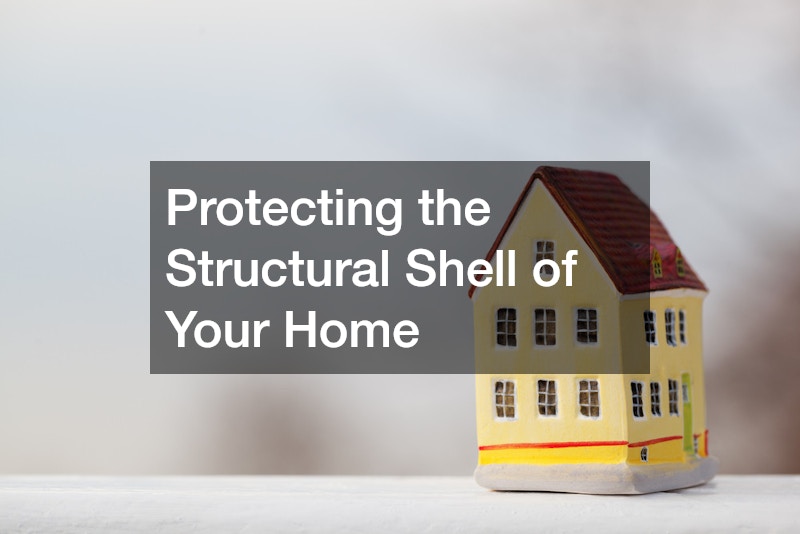
Protecting the Structural Shell of Your Home
The exterior envelope of a building serves as the primary barrier against harsh weather, pest infestations, and moisture damage. When the outer shell begins to compromise, water can seep behind walls, leading to wood rot and compromised insulation that drives up monthly utility bills. Inspecting the exterior panels of your home regularly ensures that minor cracks or loose sections are caught before rot spreads into the framing timber. Enlisting professional care for your house siding helps seal out environmental moisture, preserving the structural integrity of the entire building while maintaining clean curb appeal.
Beyond basic weatherproofing, early exterior maintenance protects against structural settling and shifting that often occurs when moisture penetrates deep into structural studs. When rainwater bypasses damaged trim or cracked panels, it pools around header beams and floor joists, creating an ideal breeding ground for silent wood-destroying insects like carpenter ants and termites. Over a period of just a few seasons, hidden moisture decay can weaken load-bearing walls to the point of structural sagging, requiring costly jacking, framing rebuilds, and drywall reconstruction. By taking action at the first sign of exterior wear, you preserve the underlying frame and eliminate the cascade of interior repairs that inevitable water intrusion causes.
Maintaining Dependable Indoor Climate Systems
Heating systems often give subtle warning signs before failing completely, such as strange ticking noises, uneven heating across rooms, or a sudden spike in energy usage. Ignoring these early indicators usually leads to a complete breakdown during the coldest weeks of winter, leaving your household without warmth and risking frozen pipes. Investing in timely furnace repairs restores heating efficiency, prevents dangerous carbon monoxide leaks, and extends the overall lifespan of your heating equipment so you avoid costly system replacements.
Proactive thermal maintenance also directly impacts your household’s monthly operational budget and overall air hygiene. When internal heating components collect dirt, suffer from worn belts, or operate with misaligned burners, the system must run significantly longer cycles to achieve your thermostat settings. This extra workload severely strains the blower motor, consumes excess fuel or electricity, and continuously recirculates fine dust and allergens throughout your living space. Addressing minor furnace defects early stops mechanical friction before it snaps critical components, preserving indoor air quality and keeping winter utility bills predictable and controlled.
Stopping Overhead Water Leaks at the Source
Roof systems endure continuous exposure to sunlight, wind, driving rain, and freezing temperatures. A single displaced shingle or damaged flashing strip might not cause an immediate ceiling drip, but water will gradually work its way into the attic space, ruining insulation and damaging drywall long before a leak becomes visibly obvious inside the house. Partnering with qualified roofers allows you to address small vulnerabilities quickly, keeping the overhead structure watertight and preventing massive interior restoration expenses down the road.
The true hidden cost of a minor roof leak lies in the widespread damage it inflicts on attic insulation and hidden ceiling framing. Wood sub-roofing decks absorb trapped moisture like a sponge, causing plywood layers to delaminate, buckle, and rot out from the top down. Furthermore, saturated attic insulation loses its thermal resistance completely, forcing your HVAC systems to work exponentially harder to maintain comfortable indoor temperatures. By scheduling routine roof inspections and repairing compromised shingles or cracked pipe boots right away, you protect your ceiling drywall, prevent mold colonies from colonizing your attic, and ensure your insulation continues to keep your home energy-efficient.
Managing Hazards in the Surrounding Canopy
Trees bring immense beauty and shade to a property, but aging, diseased, or overgrown branches pose a severe threat to nearby structures during high winds and storms. Large limbs hanging over rooflines can scrape away roofing granules or drop unexpectedly, causing catastrophic structural damage and power disruptions. Scheduling local tree removals for dead or unstable trees eliminates dangerous drop hazards, protects underground utility lines, and ensures your yard remains a safe space for your family and visitors.
Ignoring hazardous trees also creates significant underground threats that can quietly destroy vital property infrastructure. As trees age or become distressed, their root networks expand aggressively in search of moisture, often cracking nearby concrete driveways, disrupting retainage walls, and penetrating underground sewer pipes or septic lines. Additionally, heavy dead branches act as primary entry points for wood-boring pests and fungal diseases, which can quickly spread to healthy surrounding vegetation across your property. Timely management of dead timber prevents unexpected limb falls during storm events, guards your underground plumbing against invasive root damage, and maintains the overall health and safety of your outdoor landscape.
Extending the Life of Driveways and Pathways
Asphalt surfaces are highly vulnerable to water penetration, temperature fluctuations, and oil spills, all of which cause the binder material to break down and form cracks. When moisture freezes inside these small fissures, it expands rapidly, turning minor surface imperfections into deep, destructive potholes that can damage vehicles. Applying a protective coat through an asphalt sealcoating service shields the pavement from oxidation and water damage, doubling the lifespan of your driveway and saving thousands compared to full repaving costs.
Regular surface maintenance also protects the compacted aggregate base beneath your driveway from washout and erosion. When deep cracks are left unsealed, rainwater flows directly into the sub-base soil, softening the ground and causing the asphalt above to sink, crumble, and form deep ruts under vehicle weight. Once the underlying foundation gives way, simple surface patch repairs are no longer effective, leaving a full and expensive tear-out and repave as your only option. Maintaining a durable surface barrier keeps petroleum spills from eating through the binding chemicals, preserves smooth vehicle access, and protects the structural foundation beneath your paved paths.
Safeguarding Your Property from Intrusion and Vulnerability
Home security relies heavily on consistent upkeep of access points, monitoring devices, and lighting systems. Faulty door latches, malfunctioning motion sensors, or outdated alarm components create subtle entry vulnerabilities that compromise the safety of your household and personal belongings. Partnering with a reliable security service ensures your property is actively monitored and protected around the clock, offering customized solutions that deter potential intruders and give you complete confidence in your home’s safety.
Maintaining modern security infrastructure is about more than just deterring crime; it also protects your property from undetected environmental disasters like floods and electrical fires. Integrated security systems utilize environmental sensors that detect rapid temperature drops, rising water levels near sump pumps, and early smoke accumulation long before physical damage becomes severe. When these components receive regular testing and maintenance, you gain early warning alerts sent straight to your smartphone, allowing you to react instantly to plumbing bursts or appliance short circuits even when you are away from home.
Preserving Essential Kitchen and Laundry Efficiency
Household appliances perform heavy daily lifting, and when one begins to struggle, it disrupts the flow of your entire routine. A noisy refrigerator motor or an overheating dryer is rarely just a temporary annoyance; it is usually an indicator of component wear that strains the machine’s electrical system and increases energy consumption. Requesting prompt appliance repair corrects mechanical issues early, saving you from purchasing expensive new units prematurely and reducing the risk of appliance-related electrical fires or water floods.
Delaying basic appliance upkeep frequently results in major collateral damage to your floors, cabinetry, and home safety. A slowly leaking dishwasher door gasket or a cracked washing machine supply hose can quietly discharge water underneath surrounding floorboards, rotting out subflooring and encouraging hidden toxic mold growth behind cabinetry. Similarly, a clogged clothes dryer exhaust duct forces the heating element to run at extreme temperatures, drastically increasing power consumption while creating a severe fire hazard from built-up lint. Fixing minor mechanical glitches promptly extends the operational lifespan of your appliances, lowers monthly energy usage, and shields your home from catastrophic water and fire damage.
Securing Clean and Uninterrupted Water Supply
For properties reliant on private water systems, routine pump and pressure tank maintenance is critical to keeping clean water flowing to every tap. Small drops in water pressure, cloudy discharge, or constant pump cycling signal mechanical stress that can lead to total system failure and contaminated drinking water. Routine well maintenance keeps filtration units functioning properly, protects pump hardware from burnout, and guarantees that your household always has access to safe, high-quality water.
Neglecting water system infrastructure can quickly escalate into severe plumbing failure and health risks for your household. When pressure tanks lose their internal air bladder charge, the well pump is forced to turn on and off rapidly every time a faucet opens, overheating the motor winding and causing premature pump burnout hundreds of feet underground. Furthermore, compromised well caps or cracked casing seals allow surface runoff, bacteria, and agricultural chemicals to enter your drinking water supply. Regular checks protect costly pumping equipment, preserve proper water volume, and ensure your home’s water supply remains pure and free of harmful contaminants.

Refreshing Interior Surfaces and Flooring Base Structures
Floors endure constant foot traffic, moisture exposure, and heavy furniture impact, making them susceptible to warped planks, cracked tiles, and worn subfloors. Neglecting squeaky boards or water-damaged floor tiles allows moisture to penetrate into the subfloor framing, leading to structural instability and unsightly wear patterns. Consulting a local flooring company helps you select durable materials, repair underlying floor damage correctly, and transform your living space with expertly installed finishes that stand up to daily life.
Addressing minor interior flooring issues quickly prevents localized wear from expanding into comprehensive structural floor overhauls. When grout lines between stone or ceramic tiles crack, everyday cleaning water seeps directly down into the backing board, weakening the adhesive bond and causing surrounding tiles to loosen, crack, or pop out underfoot. For hardwood surfaces, unaddressed water spills or pet accidents strip away protective polyurethane seals, staining the raw timber beneath and causing individual planks to cup or crown. Fixing surface damage early restores seamless visual appeal, eliminates dangerous trip hazards, and protects the structural subfloor beneath your feet.
Optimizing Summer Air Quality and Cooling Systems
Air conditioning units work extremely hard during hot weather, collecting dust, pollen, and debris across their coils and internal filtration systems. When minor airflow blockages or coolant leaks are left unaddressed, the compressor works overtime, leading to skyrocketed monthly power bills and sudden cooling failures during peak heat waves. Scheduling a visit from a professional ac company cleans essential components, optimizes energy performance, and ensures your indoor air remains cool, clean, and comfortable all summer long.
An unmaintained cooling system also presents a serious threat to your home’s humidity balance and indoor structural health. In addition to cooling the air, an air conditioner’s primary function is removing airborne moisture; when evaporator coils freeze over or condensate drain lines become clogged with algae, excess water overflows the internal drain pan. This standing water often leaks directly through ceiling drywall or soaks into nearby flooring, causing rapid mold growth and severe structural staining. Routine seasonal tune-ups keep drain lines clear, maintain proper refrigerant charge levels, and protect your home from interior water damage while delivering maximum energy efficiency.
Preventing Structural Degradation in Foundations and Crawlspaces
Foundations bear the entire weight of a building, making them particularly sensitive to soil movement, poor drainage, and groundwater pressure. Hairline cracks in basement walls or minor standing water in a crawlspace can quickly evolve into serious foundation shifts, mold growth, and compromised indoor air quality. Implementing proper site drainage, sealing minor foundation cracks promptly, and managing groundwater movement preserves the base of your property, ensuring every room above remains level, stable, and safe from moisture damage.
Unchecked foundation movement manifests in frustrating ways throughout the upper levels of a residence. As groundwater pressure exerts force against exterior basement walls, the structure settles unevenly, causing upper-story door frames to stick, windows to jam in their tracks, and diagonal cracks to split open above interior doorways. Moreover, damp crawlspaces act as natural chimneys, drawing moist air, soil gases, and mold spores upward into your primary living quarters where your family breathes. Managing groundwater runoff with proper gutter downspouts, French drains, and vapor barriers protects your home’s structural footing and guarantees a healthy, stable indoor environment.
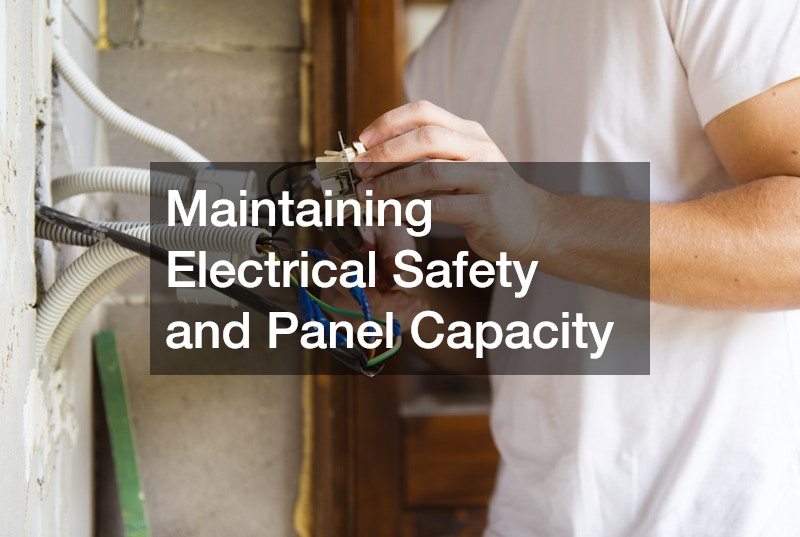
Maintaining Electrical Safety and Panel Capacity
Modern homes demand more electrical power than ever before, putting immense pressure on older wiring, outlets, and circuit panels. Warm switch plates, flickering lights, or frequently tripped breakers are clear signs of overloaded circuits or loose electrical connections that present severe fire risks. Hiring a licensed electrician to inspect your wiring, balance panel loads, and upgrade outdated outlets eliminates hidden electrical hazards, ensuring your power supply remains stable, efficient, and fully compliant with modern safety codes.
Ignoring early electrical warning signs poses one of the single greatest threats to residential safety. Loose wire connections inside wall outlets and junction boxes can cause high-resistance electrical arcing, generating extreme heat behind drywall that can easily ignite surrounding wood studs and paper insulation completely out of sight. Furthermore, outdated breaker panels often fail to trip during power surges, exposing delicate modern electronics, appliances, and HVAC controls to destructive voltage spikes. Routine electrical inspections and timely panel maintenance safeguard your valuable appliances, eliminate hidden fire ignition hazards, and ensure your home can safely handle modern power demands.
Taking a proactive approach to property management turns daunting homeownership responsibilities into manageable, routine tasks. By addressing minor wear and tear as soon as it appears, you stop compounding damage in its tracks, protect your financial reserves, and maintain the comfort and safety of your living environment. Property care is ultimately an investment in your future peace of mind; prioritizing timely repairs today ensures your home remains a resilient, efficient, and valuable asset for years to come.